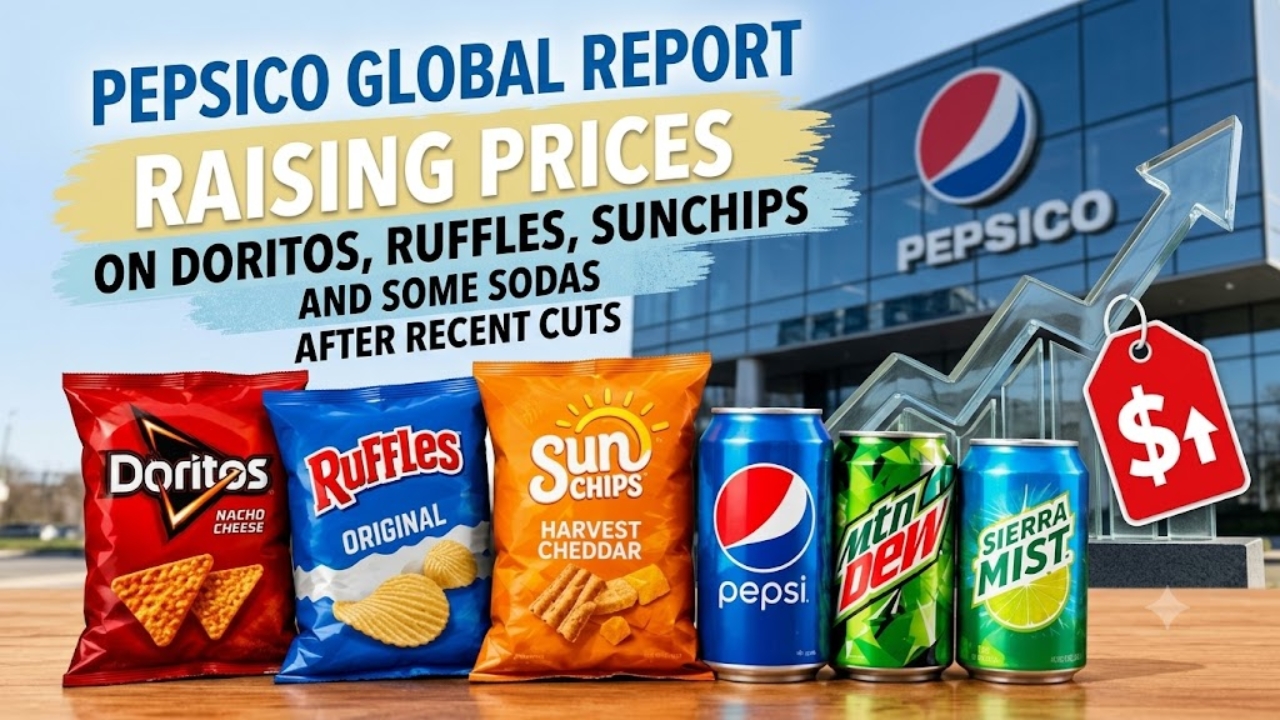
PepsiCo Raises Snack Prices Again: If your favorite bag of Doritos, Ruffles, or SunChips seems more expensive at the grocery store, you are not alone in noticing how snack prices can affect an everyday shopping budget. Packaged snacks have become a familiar part of lunch breaks, road trips, family movie nights, and quick afternoon treats. When the price of a popular brand changes, even a small increase can catch shoppers’ attention.
PepsiCo, the company behind these well-known snack brands, operates in a market shaped by ingredient costs, transportation expenses, packaging prices, wages, and changing consumer demand. When these expenses rise, manufacturers may adjust their pricing, product sizes, promotions, or combinations of all three.
But what is behind the latest discussion about PepsiCo snack prices in 2026? And what can shoppers expect when buying their favorite chips? Understanding the factors that influence retail prices can help explain why snack aisles sometimes feel more expensive, even when the products themselves look unchanged.
Why Are PepsiCo Snack Prices Increasing in 2026?
Price increases in the snack industry rarely come down to a single cause. Producing and distributing packaged food involves a long supply chain, beginning with agricultural ingredients and ending with delivery to supermarkets, convenience stores, and other retailers.
PepsiCo must manage the costs of potatoes, corn, vegetable oils, seasonings, packaging materials, factory operations, and transportation. Changes in any of these areas can put pressure on the cost of producing a bag of chips.
Inflation can also affect labor, electricity, fuel, warehousing, and equipment maintenance. Even if one ingredient becomes cheaper, higher expenses elsewhere may offset the savings.
However, it is important to distinguish between a confirmed company-wide price increase and higher prices seen at individual stores. Retailers set their own shelf prices, and regional promotions, package sizes, and local competition can all influence what customers pay. Any specific 2026 increase should be verified through current company announcements or reliable reporting rather than assumed to apply to every product.
Why Doritos May Cost More
Doritos are among the best-known flavored tortilla chips, with distinctive seasonings and a variety of flavors that attract loyal customers. Their production requires more than corn and oil. Manufacturers must also account for seasoning blends, flavor development, packaging, quality control, and distribution.
The cost of corn can fluctuate because of weather conditions, agricultural supply, energy prices, and demand from other industries. Vegetable oil prices can also change depending on harvests, global trade, and production costs.
Seasonings and packaging add further expenses. Even small adjustments across a large production network can influence the total cost of making and shipping millions of bags.
For shoppers, a higher shelf price may reflect a manufacturer’s pricing decision, a retailer’s markup, or the end of a temporary discount. Checking the price per ounce rather than looking only at the price printed on the shelf can help determine whether a particular package offers good value.
Ruffles Prices and the Cost of Potato Chips
Ruffles face a different set of ingredient pressures because they are made primarily from potatoes. Potato crops depend on growing conditions, water availability, fertilizer costs, labor, and transportation. A challenging growing season or an increase in agricultural expenses can affect the cost of supplying potato-based snacks.
Processing potatoes into consistent chips also requires energy-intensive manufacturing, cooking oil, seasoning, and protective packaging. Finished products must then be transported to stores while maintaining their quality.
Another factor is package size. A bag that appears similar to one purchased previously may contain a different amount of product. This makes it useful to compare unit prices, such as the cost per ounce or gram, rather than relying on package appearance alone.
Ruffles prices may also vary significantly between supermarkets, warehouse clubs, convenience stores, and online retailers. A larger multipack may offer a lower unit price, although the total purchase will cost more upfront.
Why SunChips Are Also Affected
SunChips offer a different option for shoppers who enjoy multigrain snacks. Their ingredients and production processes differ from traditional potato chips and tortilla chips, but the brand is still exposed to many of the same economic pressures.
Grains such as corn and wheat can experience price fluctuations linked to harvest conditions, farming expenses, weather patterns, and global supply. Sunflower oil and other ingredients may also become more expensive depending on agricultural production and market conditions.
In addition, manufacturers must pay for packaging, transportation, employee wages, and the operation of production facilities. These expenses can influence the final retail price even when the main ingredients remain relatively stable.
SunChips may appeal to shoppers looking for a multigrain alternative, but that does not necessarily make them less vulnerable to inflation. The actual price change depends on the product, package size, retailer, and any pricing adjustments made by the manufacturer.
The Role of Packaging and Smaller Bag Sizes
One reason shoppers may feel that snacks are becoming more expensive is that price increases do not always appear as a higher shelf price. Sometimes, the package size changes while the price stays the same. This practice is commonly called shrinkflation.
For example, if a bag contains fewer ounces than it did previously but costs the same amount, the price per ounce has effectively increased. Consumers may not immediately notice the difference because the packaging can look nearly identical.
Packaging materials themselves also contribute to production costs. Plastic films, printed wrappers, cardboard boxes, and shipping materials can become more expensive as energy and raw material prices fluctuate.

To get a clearer picture of what you are paying, compare the net weight printed on the package with the price. Looking at unit pricing on shelf labels can make it easier to compare different sizes and brands without relying on packaging appearance alone.
How Retailers Influence the Final Price
Although PepsiCo manufactures these snacks, the price you see at checkout is not necessarily determined by the manufacturer alone. Grocery stores and other retailers make their own pricing decisions based on wholesale costs, competition, operating expenses, and promotional strategies.
One supermarket might offer Doritos at a discount to attract shoppers, while another sells the same package at its regular price. Convenience stores may charge more because of their locations, operating costs, and smaller purchasing volumes.
Promotions can make these differences even more noticeable. Buy-one-get-one offers, digital coupons, loyalty discounts, and multipack deals can temporarily reduce the effective price.
This is why a price increase reported nationally may not immediately appear at every store. Retailers may have existing inventory, different supplier arrangements, or promotional calendars that affect when customers notice a change.
What Higher Snack Prices Mean for Consumers
For households that regularly purchase packaged snacks, repeated price increases can gradually affect the grocery budget. A few extra cents on one item may seem insignificant, but the difference becomes more noticeable when several products rise in price over time.
Families can manage these expenses without giving up their favorite snacks entirely. One simple approach is to compare unit prices across package sizes and brands. Buying a larger package may provide better value when the product will be consumed before it loses freshness.
Shopping during promotions can also help. Digital coupons, supermarket loyalty programs, and occasional multipack discounts may offer savings, although the final price should always be compared with competing products.
Another option is to alternate between branded snacks and lower-priced store brands. While the taste and texture may differ, trying alternatives can help stretch the grocery budget.
Most importantly, avoid assuming that a larger package is automatically cheaper per serving. Checking the actual weight and unit price provides a more reliable comparison.
Will Doritos, Ruffles and SunChips Become Even More Expensive?
Future snack prices will depend on several variables, including agricultural costs, energy prices, transportation expenses, consumer demand, and PepsiCo’s pricing decisions. Retail competition and promotional activity will also influence what shoppers ultimately pay.

If production expenses continue to rise, manufacturers may consider price adjustments, changes to package sizes, or other ways to protect their margins. If certain costs ease, that could reduce some pressure, although lower production expenses do not automatically guarantee lower retail prices.
There is no reliable way to predict exactly how much each brand will cost throughout 2026 without confirmed pricing information. Individual products may also follow different pricing patterns.
For the most accurate picture, consumers should monitor current retailer listings, compare local prices, and look for official company announcements or credible business reporting when specific increases are reported.
Disclaimer
This article is intended for general informational purposes and does not constitute financial, investment, or purchasing advice. Specific PepsiCo price increases for Doritos, Ruffles, and SunChips in 2026 should be verified through official company announcements and reliable, up-to-date sources. Prices vary by retailer, location, package size, and promotional offer. The economic factors discussed are general influences on food pricing and should not be interpreted as confirmation that every product has increased in price. PepsiCo and the brand names mentioned are the property of their respective owners.
Final Thoughts
Higher snack prices can make everyday grocery shopping more frustrating, especially when familiar favorites are involved. Doritos, Ruffles, and SunChips each have different ingredients and production requirements, but all can be affected by rising agricultural costs, packaging expenses, transportation, and retail pricing decisions.
The most useful step for shoppers is to focus on the actual value of each purchase. Compare unit prices, watch for promotions, and check package weights before deciding which option offers the best deal.
While the reasons behind a particular price change may vary, staying informed can help you make smarter shopping choices without giving up every snack you enjoy. Before drawing conclusions about PepsiCo’s 2026 pricing, look for confirmed announcements and compare the prices available at your local stores.
